
Guide to Cloud AI Platforms
In today’s rapidly evolving digital landscape, Artificial Intelligence (AI) is no longer a futuristic concept but a present-day reality driving innovation and efficiency across industries. For businesses looking to harness the transformative power of AI, Cloud AI Platforms offer an accessible, scalable, and cost-effective solution. This guide is designed to demystify Cloud AI Platforms, making them understandable for beginners while providing the depth needed to appreciate their immense potential.
What Exactly Are Cloud AI Platforms?
At its core, a Cloud AI Platform is a suite of integrated cloud-based services and tools that enable developers and data scientists to build, deploy, and manage artificial intelligence and machine learning (ML) models. Instead of requiring businesses to invest heavily in on-premises hardware and complex infrastructure, these platforms leverage the power of cloud computing. This means you can access powerful AI capabilities, vast computing resources, and pre-built ML models without the upfront capital expenditure and ongoing maintenance headaches.
Think of it like this: instead of buying and maintaining your own power generator (on-premises AI infrastructure), you subscribe to an electricity service from a utility company (Cloud AI Platform). You get access to all the power you need, when you need it, and you only pay for what you use. Cloud AI platforms provide the same convenience and flexibility for AI development and deployment.
Why Choose Cloud AI Platforms? The Key Benefits
The advantages of adopting Cloud AI Platforms are numerous and significant. For businesses of all sizes, these platforms offer a compelling pathway to AI adoption. Here are some of the most critical benefits:
- Scalability: Cloud platforms are inherently scalable. As your AI projects grow or demand increases, you can easily scale up your resources – whether it’s processing power, storage, or model complexity – without significant hardware upgrades. Conversely, you can scale down during periods of lower demand, optimizing costs.
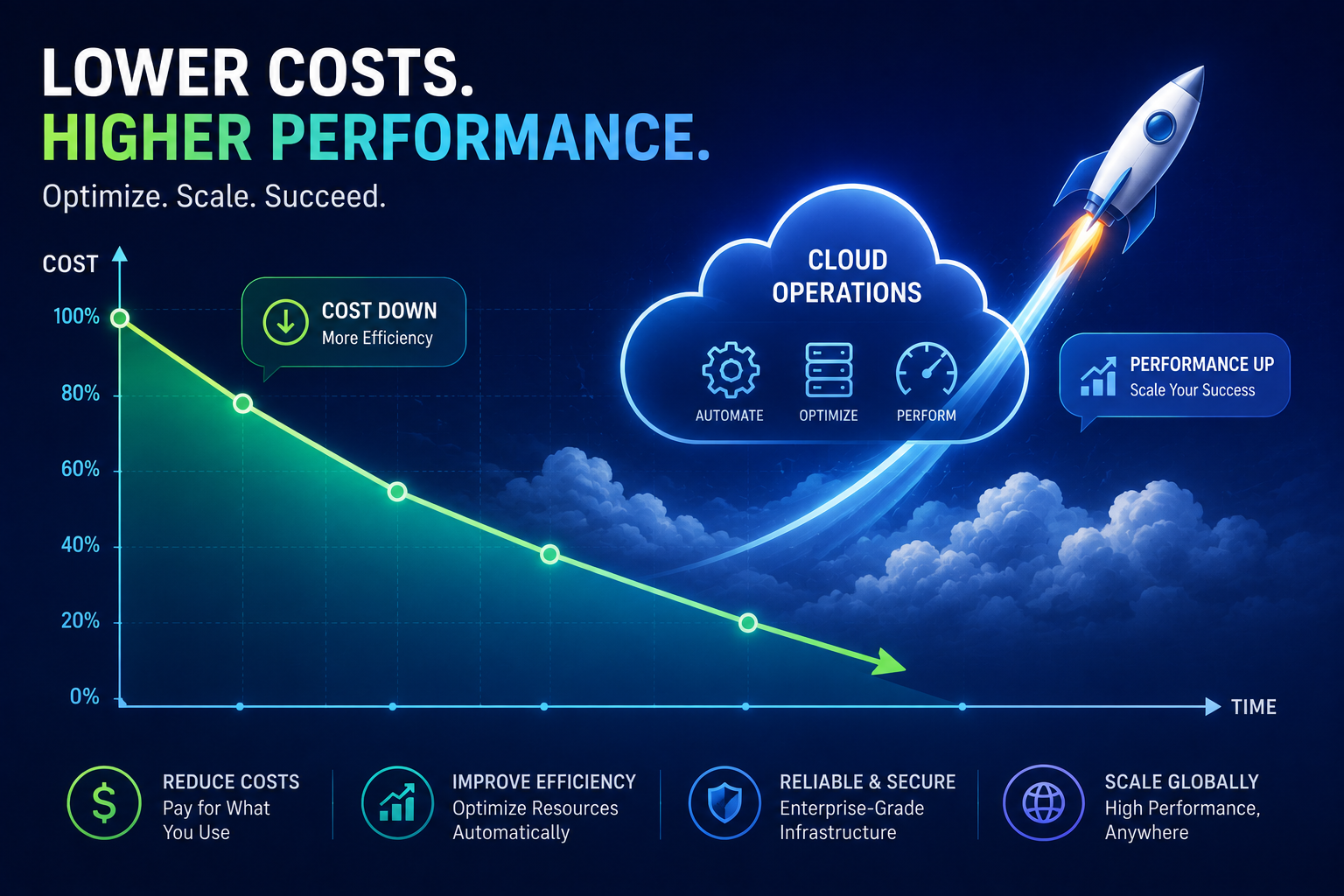
- Cost-Effectiveness: Eliminating the need for extensive on-premises hardware and specialized IT staff significantly reduces upfront and ongoing costs. The pay-as-you-go model of cloud services ensures you only pay for the resources you consume, making AI accessible even for smaller businesses with limited budgets.
- Accessibility and Ease of Use: Cloud AI platforms abstract away much of the underlying complexity of AI infrastructure. They provide user-friendly interfaces, pre-trained models, and managed services that allow developers with varying levels of AI expertise to get started quickly.
- Faster Time to Market: With readily available tools, pre-built models, and streamlined deployment pipelines, businesses can develop and deploy AI solutions much faster than they could with traditional on-premises approaches. This agility is crucial in today’s competitive market.
- Access to Cutting-Edge Technology: Leading cloud providers constantly invest in research and development, ensuring their platforms are equipped with the latest AI advancements, algorithms, and hardware. This allows businesses to leverage state-of-the-art capabilities without needing to build them in-house.
- Collaboration and Integration: Cloud platforms facilitate collaboration among teams by providing centralized environments for data storage, model development, and deployment. They also offer robust integration capabilities with other cloud services and existing business applications.
Key Components of Cloud AI Platforms
Cloud AI platforms are not monolithic entities; they are composed of various services and tools working in concert. Understanding these core components will help you better grasp how they function and what capabilities they offer:
- Machine Learning Services: These are the foundational building blocks for AI. They offer tools for data preparation, model training, evaluation, and deployment. Services can range from managed notebooks for experimentation to automated ML (AutoML) tools that simplify model creation.
- Pre-trained Models and APIs: Many platforms offer ready-to-use AI models for common tasks such as image recognition, natural language processing (NLP), speech-to-text, and sentiment analysis. These can be accessed via APIs, allowing developers to integrate AI capabilities into their applications without building models from scratch.
- Data Management and Storage: AI models are only as good as the data they are trained on. Cloud AI platforms provide robust data storage solutions, data lakes, and data warehousing services to manage, process, and analyze large datasets efficiently.
- Compute Resources: Training complex AI models requires significant computational power. Cloud platforms offer access to powerful CPUs and specialized hardware like GPUs (Graphics Processing Units) and TPUs (Tensor Processing Units), which are essential for accelerating ML computations.
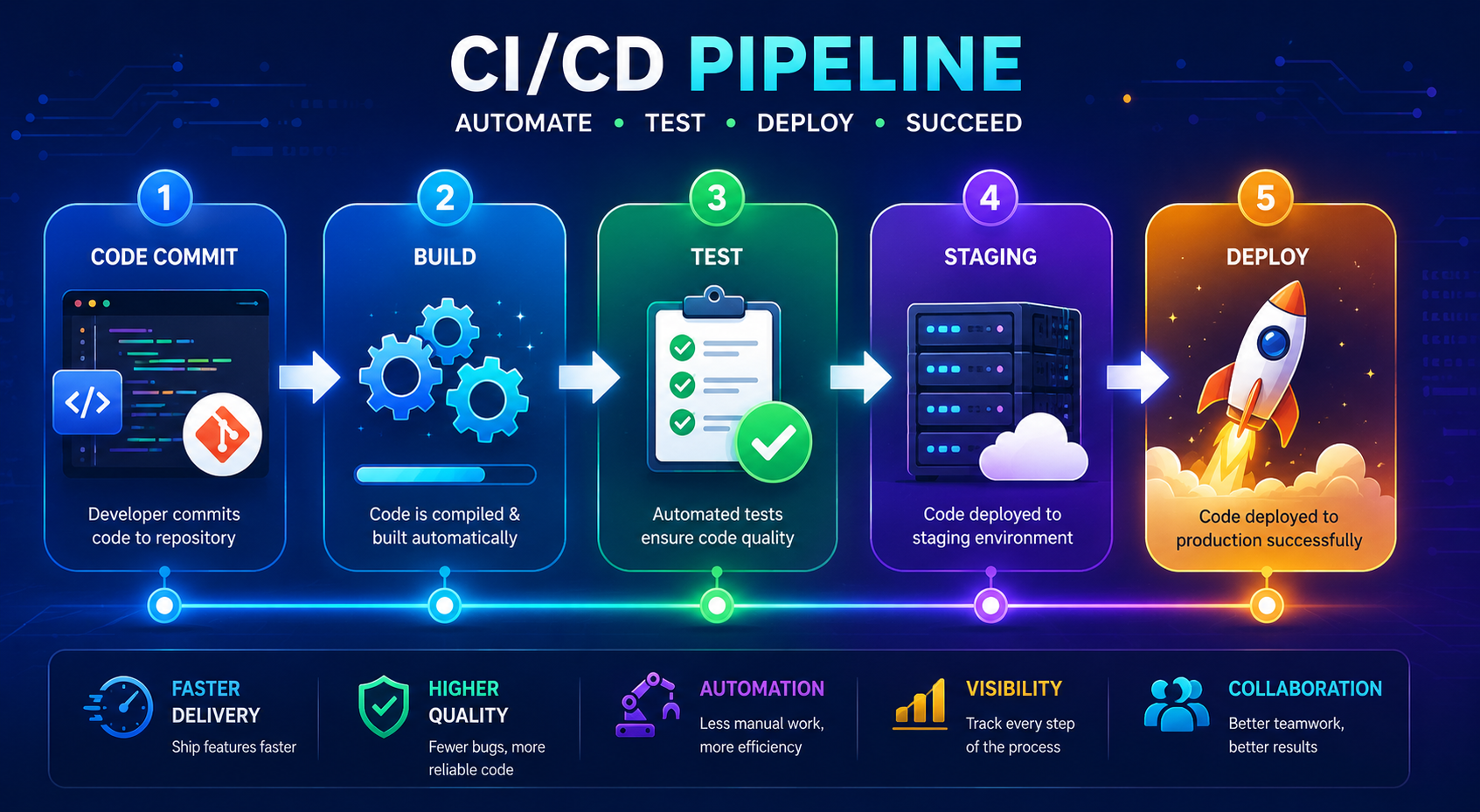
- Deployment and Orchestration Tools: Once a model is trained, it needs to be deployed into a production environment where it can be used. Cloud platforms offer tools for deploying models as APIs, managing their lifecycle, and scaling them to handle user requests.
- Monitoring and Management: Continuous monitoring of AI models in production is vital for ensuring performance, identifying drift, and detecting anomalies. Cloud platforms provide dashboards and tools for tracking model health and retraining when necessary.
Common Use Cases for Cloud AI Platforms
The applications of Cloud AI Platforms are vast and continue to expand. Here are some common and impactful use cases across different industries:
- Customer Service Enhancement:
- Chatbots and Virtual Assistants: Automate customer support, answer FAQs, and provide personalized assistance 24/7.
- Sentiment Analysis: Analyze customer feedback from reviews, social media, and surveys to understand customer satisfaction and identify areas for improvement.
- Business Operations Optimization:
- Predictive Maintenance: Forecast equipment failures in manufacturing or infrastructure to schedule maintenance proactively, reducing downtime and costs.
- Supply Chain Management: Optimize inventory levels, predict demand, and improve logistics efficiency by analyzing historical data and market trends.
- Fraud Detection: Identify fraudulent transactions in real-time for financial institutions and e-commerce platforms.
- Personalization and Recommendation Engines:
- E-commerce: Suggest products to customers based on their browsing history and past purchases.
- Content Platforms: Recommend articles, videos, or music tailored to individual user preferences.
- Data Analysis and Insights:
- Image and Video Analysis: Extract insights from visual data, such as identifying objects, analyzing medical imagery, or monitoring security feeds.
- Natural Language Processing (NLP): Understand and process human language for tasks like document summarization, translation, and extracting key information from unstructured text.
- Product Development:
- Generative AI: Create new content, designs, or code, accelerating innovation and brainstorming.
- Simulation and Testing: Use AI to simulate various scenarios and test product performance under different conditions.
Getting Started with Cloud AI Platforms: A Step-by-Step Approach
Embarking on your Cloud AI journey might seem daunting, but by following a structured approach, you can make the process manageable and rewarding:
- Define Your Business Problem: Before diving into any technology, clearly identify the specific business challenge you want to solve or the opportunity you want to seize with AI. What problem are you trying to address? What outcome are you hoping to achieve?
- Assess Your Data: AI relies heavily on data. Understand what data you have available, its quality, and its relevance to your defined problem. If data is lacking or insufficient, consider how you might acquire or generate it.
- Choose the Right Cloud Provider and Platform: Several major cloud providers offer robust AI platforms, including Amazon Web Services (AWS), Google Cloud Platform (GCP), and Microsoft Azure. Research their offerings, pricing models, and available services to find the best fit for your needs and technical expertise. Consider factors like existing cloud infrastructure, specific service offerings, and community support.
- Start with Managed Services or Pre-trained Models: For beginners, it’s often best to start with higher-level managed services or pre-trained models. These allow you to quickly integrate AI capabilities without deep expertise in model building. For example, use a pre-trained NLP API for text analysis or an AutoML service for simple classification tasks.
- Experiment and Iterate: AI development is an iterative process. Start with a pilot project, experiment with different approaches, and learn from the results. Cloud platforms provide excellent environments for rapid prototyping and experimentation.
- Build Expertise: As you gain confidence, you can delve into more advanced services, explore custom model development, and train your own ML models. Many platforms offer extensive documentation, tutorials, and training courses to help you build your skills.
- Deploy and Monitor: Once you have a functional AI solution, deploy it into your production environment. Continuously monitor its performance, gather feedback, and be prepared to retrain or update models as needed.
Popular Cloud AI Platform Providers
The cloud AI landscape is dominated by a few major players, each offering a comprehensive suite of services:
- Amazon Web Services (AWS): Known for its vast array of services, including Amazon SageMaker (a comprehensive ML platform), Amazon Rekognition (image and video analysis), and Amazon Comprehend (NLP).
- Google Cloud Platform (GCP): Offers services like Vertex AI (an integrated ML platform), Google Cloud Vision AI, and Google Cloud Natural Language API, leveraging Google’s deep expertise in AI research.
- Microsoft Azure: Features Azure Machine Learning, Azure Cognitive Services (for vision, speech, language, and decision-making), and Azure Databricks for big data analytics and ML.
Each provider has its strengths, and the best choice often depends on specific project requirements, existing technology stack, and team expertise.
The Future of Cloud AI Platforms
The evolution of Cloud AI Platforms is rapid and exciting. We can expect to see:
- Increased Democratization of AI: More intuitive tools and AutoML capabilities will make AI accessible to a wider range of users, not just AI experts.
- Advancements in Generative AI: The capabilities of models like GPT-3 and beyond will become more integrated into platforms, enabling sophisticated content creation and problem-solving.
- Greater Emphasis on Responsible AI: Platforms will increasingly incorporate tools and frameworks for ensuring fairness, transparency, and accountability in AI systems.
- Edge AI Integration: Seamless integration with edge computing devices will allow AI processing to happen closer to data sources, enabling real-time insights and reduced latency.
- Industry-Specific Solutions: Cloud providers will continue to develop tailored AI solutions for specific industries, addressing unique challenges and opportunities.
Frequently Asked Questions (FAQ)
What is the difference between Cloud AI and On-Premises AI?
Cloud AI runs on remote servers managed by a cloud provider, offering scalability and accessibility. On-premises AI is hosted and managed on a company’s own servers, giving more control but requiring significant infrastructure investment and expertise.
Do I need to be a data scientist to use Cloud AI Platforms?
Not necessarily. While data scientists are heavily involved, many Cloud AI Platforms offer user-friendly interfaces, AutoML tools, and pre-trained models that allow developers and business analysts to leverage AI capabilities without extensive data science knowledge.
How much does it cost to use Cloud AI Platforms?
Costs vary based on the services used, the amount of data processed, and the compute resources consumed. Most platforms follow a pay-as-you-go model, making it cost-effective to start small and scale as needed.
What kind of data can I use with Cloud AI Platforms?
You can use a wide variety of data, including structured data (like spreadsheets and databases), unstructured data (like text, images, audio, and video), and semi-structured data.
How secure are Cloud AI Platforms?
Major cloud providers invest heavily in security, offering robust measures to protect data and AI models. However, it’s crucial to understand and implement security best practices within your own usage of the platform.
Conclusion
Cloud AI Platforms represent a pivotal shift in how businesses can access and leverage the power of artificial intelligence. By abstracting away infrastructure complexities and offering a suite of accessible tools and services, these platforms democratize AI, making it achievable for organizations of all sizes. Whether you’re looking to enhance customer engagement, optimize operations, drive innovation, or gain deeper insights, a Cloud AI Platform can be your gateway to unlocking unprecedented business potential. As you navigate the future, embracing these powerful cloud-based AI solutions will be key to staying competitive and driving sustainable growth.